Cellphone ban coming to Eisenhower High School; here’s what you need to know
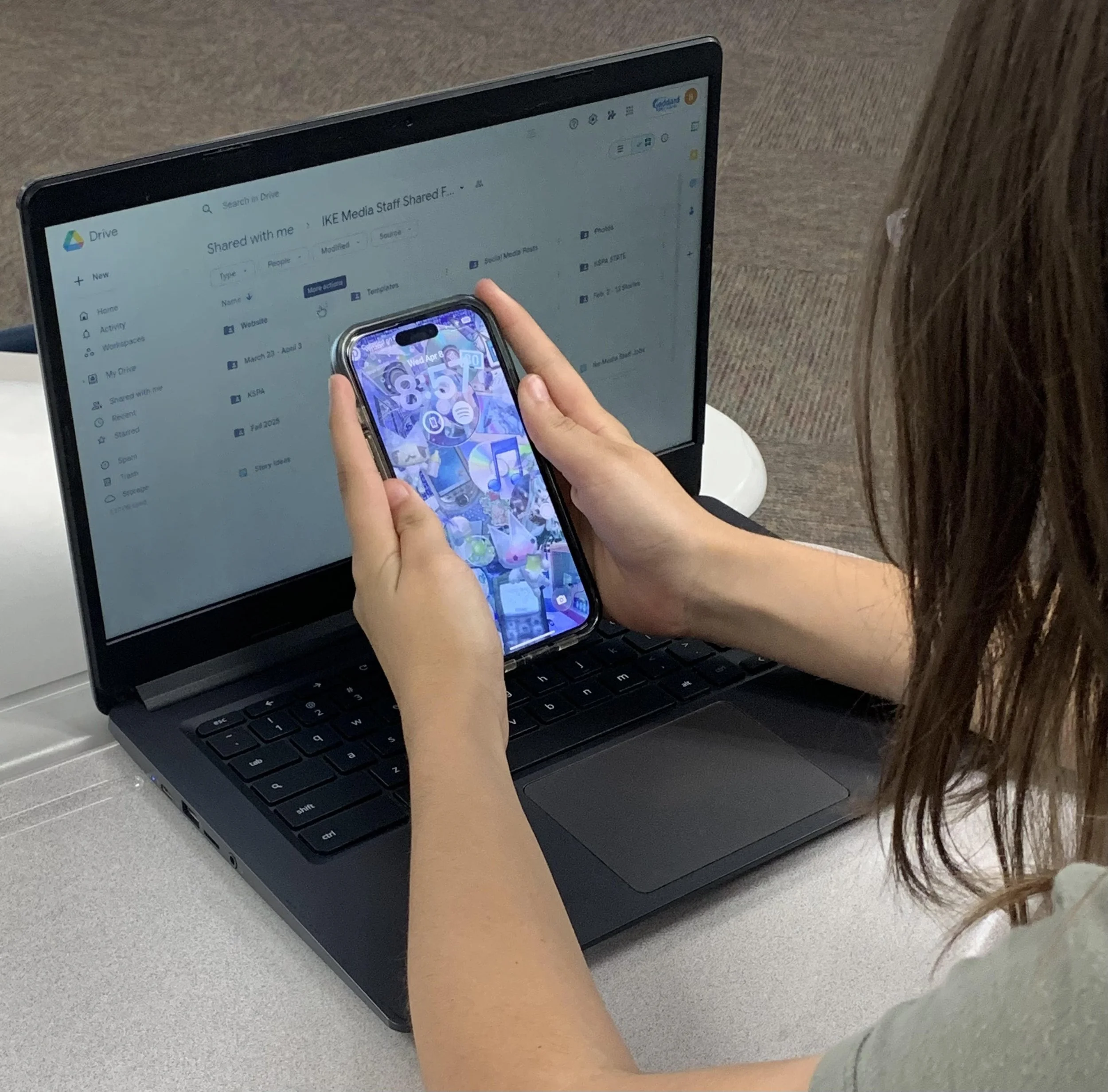
Students “sneakily” hide their phones during lectures and work time. A phone ban will go into effect across the state of Kansas for the 2026-2027 school year. Photo by Eli Thimmesch
By Eli Thimmesch
Kansas Gov. Laura Kelly ran on a platform of making education better for Kansas children. House Bill No. 2641 demonstrates just how far she’ll go to protect the integrity of student learning. The 2026-2027 school year will be the first time the official phone ban will go into place, reaching EHS on Aug. 10.
In short, the bill states that personal electronic devices must be inaccessible to students for the entire school day. This has been referred to as the “bell to bell, no cell” policy. While some schools will require students to keep phones at home, others may have specific places for people to store them. In the case of EHS, admin is still undecided on how they will accomplish this.
“We are waiting to get guidance from the state level about what that means,” Principal Todd Hague said, “Because lockers, while [devices] are locked and put away, are technically accessible by students. So if lockers are acceptable, we will likely assign each student a locker.”
Disciplinary action is also left up to districts. Currently, EHS’s phone policy goes from a warning, to detention, to two-hour detention and ultimately in-school suspension. Next year, if a student is caught with an electronic device, they will no longer be issued with a warning, but instead an immediate detention.
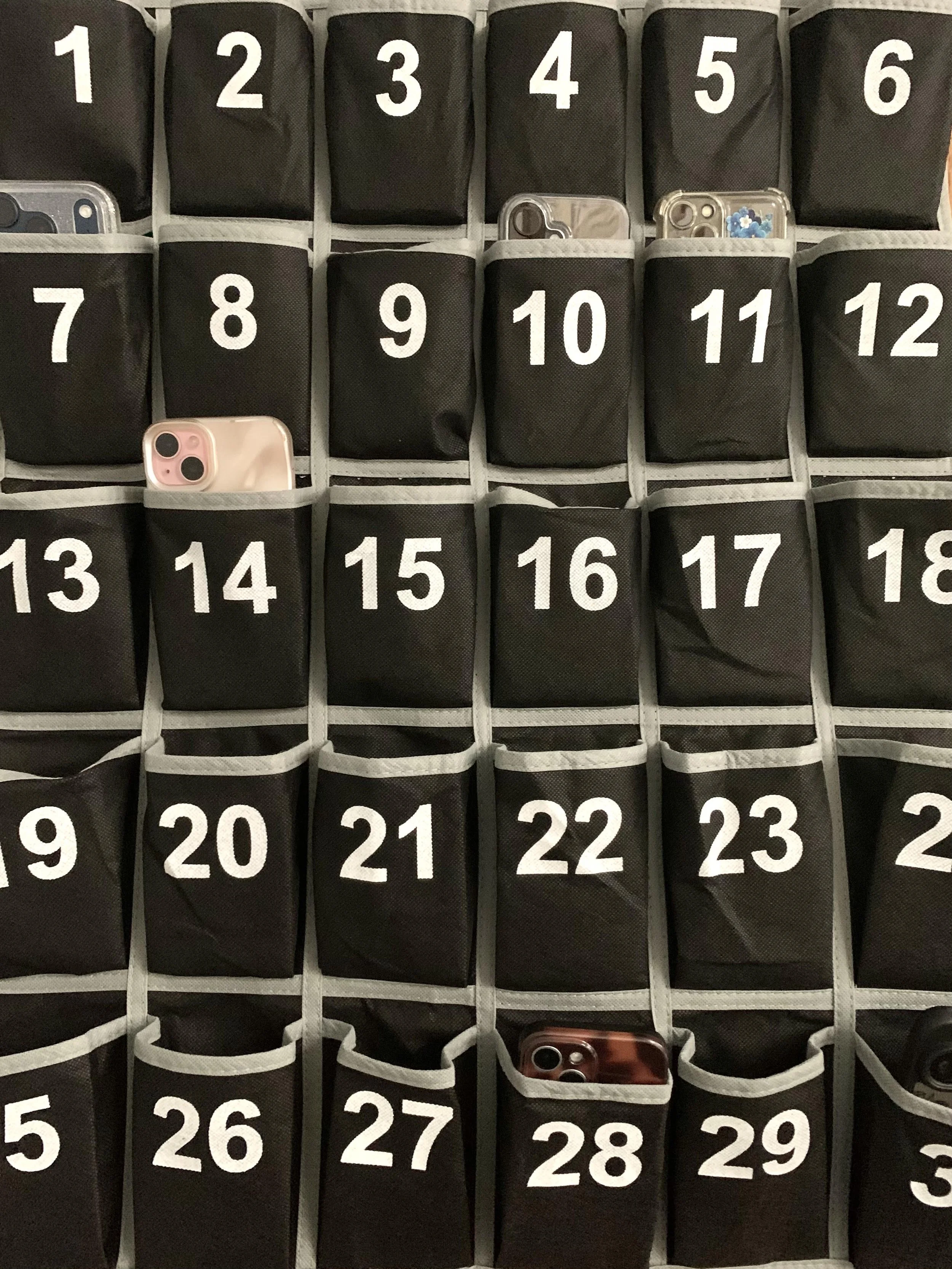
Currently teachers use phone pockets in their classrooms. Students put their devices up as a temporary solution from distraction. Photo by Eli Thimmesch
Students and parents have expressed concerns about safety with phones being out of reach. Students are worried that if they cannot access their phones, reaching parents or guardians if there is an emergency will be nearly impossible.
“Being away from something that gives you such a sense of safety will probably make students more scared to be in school,” freshman Jackson Harlow said. “It's private property that they don’t have a right to take away from us.”
This is a common concern from communities all over. Schools are providing alternative options if parents need to be contacted.
“There will be systems in place for parents to contact students,” Hague said. “If necessary, that will be done through email, but if it’s immediate, it can be done from a phone call through the office.”
The ban will not stretch to extracurricular activities. Field trips, sports, and clubs will all be exempt from the “bell to bell” policy.
The goal that lawmakers had in mind when presenting the bill was to make the classroom a better, more positive learning environment for students and teachers alike. In a survey by the National Governors Association (NGA), stricter cellphone policies were linked to better student performance as well as higher teacher satisfaction.
“I think students will be more engaged with each other and more engaged in class discussions,” EHS history teacher, Dawn Starnes, said. “They won't be able to search on their phone for the answer or somebody else's opinion through AI sources. They will really just have to think for themselves.”
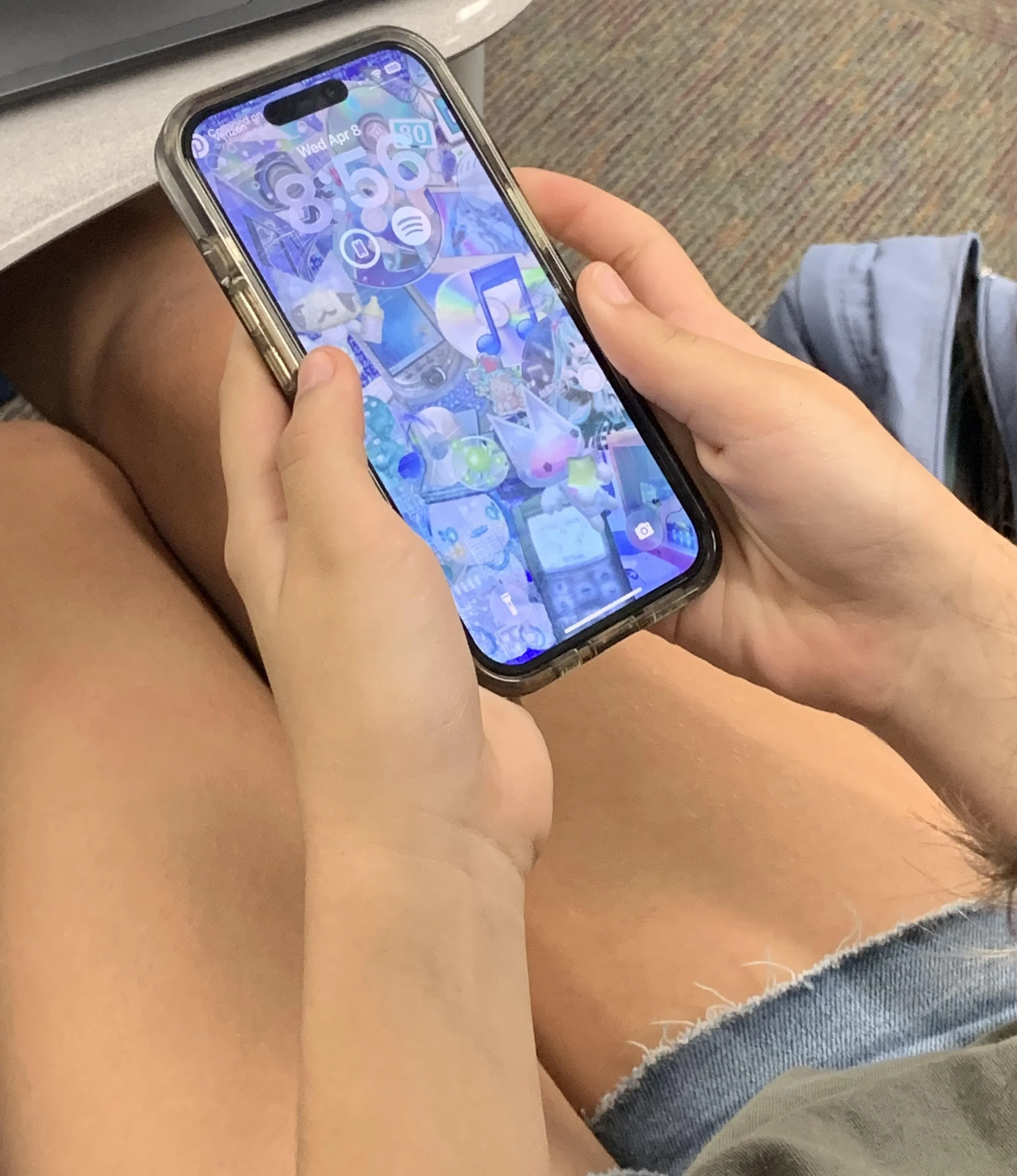
Students all over Kansas will be affected by this bill. Decisions about how EHS will be enforcing the ban are still being made. Photo by Eli Thimmesch
Students will still have access to school Chromebooks and computer monitors. Even without phones, a few people think that others will find ways to distract themselves in class.
“I believe that the lack of phones will affect some students positively given that they won't have certain distractions,” freshman Braydon Wannow said. “Others will just find alternative methods to entertain themselves given that they don't want to do their work.”
Though criticism and questions about the bill remain unaddressed, many people believe that this is a proper step forward to protect the future of learning. Education will always be a changing landscape and adapting is key to moving forward.
